Termite Control Services for New Homes: What You Should Know
A new home feels sealed, solid, and safe. Fresh framing, clean slab, untouched trim, and a builder's warranty all create the impression that major pest risks are years away. Termites do not care how new a structure is. If the conditions are right, they will move into a house that has barely finished curing.
That surprises many homeowners. People tend to associate termites with old wood, neglected crawlspaces, or houses that have gone too long without maintenance. In practice, some of the most important termite decisions happen before a family ever moves in. The lot may have a history of infestation. Construction may disturb colonies already in the soil. Landscaping choices made in the first month can either reduce risk or quietly invite trouble.
This is where termite control services matter. For a new home, the job is not just to kill an active infestation. It is to build a defensive system around the structure from day one, then keep that system intact as the property settles into real use. The best approach depends on the region, the construction type, local building codes, soil conditions, moisture management, and whether the builder already included a treatment plan.
If you are buying a new build, building a custom home, or taking possession of a recently completed property, there are a few things worth understanding before you assume termite protection is handled.
Why new homes are still vulnerable
Subterranean termites, which cause most structural termite damage in many parts of the United States, live in the soil and travel through concealed pathways. They do not need a neglected house. They need moisture, cellulose, and a way in. A brand new home offers all three more often than people realize.
During construction, crews clear vegetation, dig footings, trench utilities, and pour slabs. That activity can expose or disrupt existing colonies without eliminating them. If wood scraps are buried in backfill, if form boards are left in place, or if damp soil remains tight against the foundation, the site can become more attractive, not less.
Even well-built homes can have small vulnerabilities. Expansion joints, plumbing penetrations, cracks in the slab, untreated framing close to grade, and foam insulation details can all create access points. None of this means the house was built poorly. It means termite prevention is a separate discipline that needs attention alongside general construction quality.
I have seen homeowners assume that "new" means "protected," only to find shelter tubes in a garage expansion joint within the first two years. In most of those cases, the issue was not dramatic negligence. It was a missing step, an expired treatment schedule, or site conditions that were never revisited after the build.
What termite control services usually involve for new construction
For new homes, termite control services often start before the drywall goes up. Depending on the market and the pest company, protection may include a pre-construction soil treatment, treatment of key wood components, installation of a baiting system, follow-up inspections, or some combination of those measures.
A pre-construction treatment usually means a termiticide is applied to the soil under and around the future foundation. The goal is to create a treated zone termites must cross to reach the home. When this is done correctly, timing and coverage matter. Treatment placed before a slab is poured is not the same as treatment applied months later around the perimeter. Both can be useful, but they protect differently.
Some builders also use borate-based wood treatments on framing elements. Borates can be very effective when applied to raw wood before it is enclosed, especially in high-risk areas. They do not replace soil treatments in subterranean termite regions, but they can add a valuable layer of protection.
In other cases, a pest company installs bait stations around the property after construction. These stations are designed to intercept foraging termites and reduce colony pressure over time. Bait systems are not "set it and forget it." They depend on regular monitoring and service.
A good termite protection plan for a new home is not one product. It is a strategy. The strategy should match the way the house was built and the way the site handles water.
Ask what the builder already did, and get it in writing
One of the most common mistakes buyers make is accepting vague verbal reassurance. "Yes, it's treated" is not enough. You want specifics.
Ask the builder or sales representative what termite control services were performed, when they were performed, who performed them, and whether the protection transfers to you as the new owner. If the home was pre-treated during construction, ask for the treatment record, product name, treated areas, application date, and any warranty terms. If bait stations were installed, ask who services them and what happens if you do nothing after closing.
This matters because not all builder-provided protection is equal. Some builders include a robust renewable warranty with annual inspections. Others include a one-time treatment with limited follow-up. Some warranties are void if landscaping, grading, or additions disturb the treated zone. Many buyers do not learn that until after they install a patio, cut into the slab, or let the service lapse.
The paperwork may feel tedious during a busy closing period, but it is easier to clarify these details before you move in than after a problem appears. A legitimate provider should be able to produce records without drama.
The main treatment options, and how they differ
Homeowners often hear terms like liquid barrier, borate treatment, and bait system as if they are interchangeable. They are not. Each addresses termite risk in a different way.
A liquid soil treatment creates a treated band in the ground. In many markets, this remains the backbone of subterranean termite prevention because it can protect the structure immediately. The quality of the application matters as much as the product. Gaps in coverage, inaccessible areas, and later construction changes can weaken the system.
Borate treatment is typically applied to exposed wood before insulation and drywall. It can protect the wood itself, especially against certain wood-destroying organisms, but it only works where it is applied. If critical components were missed or later covered by new untreated wood, there is no magic spread. It is precise protection.
Bait systems work differently. Rather than relying on a continuous chemical zone, they monitor termite activity and use bait to affect colonies. Many professionals like bait systems because they are low impact and can be excellent for long-term monitoring. They do require disciplined follow-up. A bait station no one inspects is just a piece of plastic in the ground.
In some situations, the strongest plan combines methods. A house in a high-pressure termite region with known moisture challenges might benefit from both a liquid treatment and a monitored bait system. That does not mean every house needs the most expensive package. It means the best answer comes from the property, not from a generic sales script.
Site conditions often matter more than homeowners expect
I have seen two nearly identical homes on the same street perform very differently when it comes to termite pressure. The difference was not the framing package or the paint. It was drainage and grade.
Termites are strongly influenced by moisture. If downspouts dump beside the foundation, if sprinkler heads keep the soil damp, or if mulch is piled high against siding, the house is easier to exploit. That remains true even if a treatment was installed correctly.
A lot with heavy clay soil may hold moisture near the slab longer than a sandy site. A home on a wooded edge may experience different pressure than one on a cleared interior lot. Retaining walls, planter beds, and decorative landscape timbers can all create bridges or hiding places.
One builder I worked with years ago delivered attractive homes with dense shrub beds packed right against the front elevation. They looked sharp during handover, but they also hid the slab line and kept the area damp after irrigation. It made inspections harder and early warning signs easier to miss. The homes were not doomed, but the landscaping was working against the protection plan from the first day.
A few questions worth asking before you sign off
The right questions can tell you whether you are dealing with a thoughtful termite plan or a box-checking exercise.
- Was the home pre-treated before the slab or foundation work was completed?
- Is there a renewable termite warranty, and does it transfer to the buyer?
- What actions could void the protection, such as grading changes or slab penetrations?
- Will the provider perform annual inspections, and what do those inspections include?
- If termites are found, does the agreement cover retreatment only, or also damage repair?
Those details influence the real value of the service. A low-cost plan with no ongoing inspection and no transferability may be less useful than it first appears.
The warranty language deserves a close read
Termite warranties vary more than most homeowners expect. Some cover retreatment only. Others include limited repair coverage if new termite damage is discovered while the agreement is active. The words matter.
Retreatment coverage means the company will apply product again if termites are found. That is important, but it does not automatically mean they will pay to replace damaged framing, flooring, or trim. Damage repair coverage can be more valuable, but these agreements usually come with stricter conditions and limits. There may be annual caps, exclusions for inaccessible areas, or requirements that all inspections remain current without interruption.
Transferability is another point people overlook. If the Termite Control Services builder's warranty does not transfer cleanly, you may need to establish new service in your own name immediately after closing. Miss that window, and you could end up with a lapse. In termite work, a lapse is not just a paperwork issue. It can change how a company responds later.
Annual inspections are not optional busywork
A recurring theme in termite prevention is that systems change over time. Soil settles. Cracks appear. Garden beds rise. Deck posts are added. Irrigation gets adjusted. Homeowners store cardboard in garages. A good inspection catches these shifts before they become expensive.
Annual termite inspections for new homes should focus on both evidence of activity and conditions conducive to infestation. That includes foundation lines, slab penetrations, crawlspace moisture if present, siding clearance, utility entries, and any hidden or obstructed areas that have developed since move-in.
When inspections are done well, the report is useful. It should tell you not just whether termites were found, but also whether your landscaping, drainage, or storage practices are increasing risk. A rushed walkaround that ends with "looks good" has limited value.
Red flags that deserve attention early
Many termite problems begin quietly. New homeowners often miss the first signs because they are focused on paint touch-ups, blinds, appliances, and warranty punch lists. It helps to know what deserves a second look.
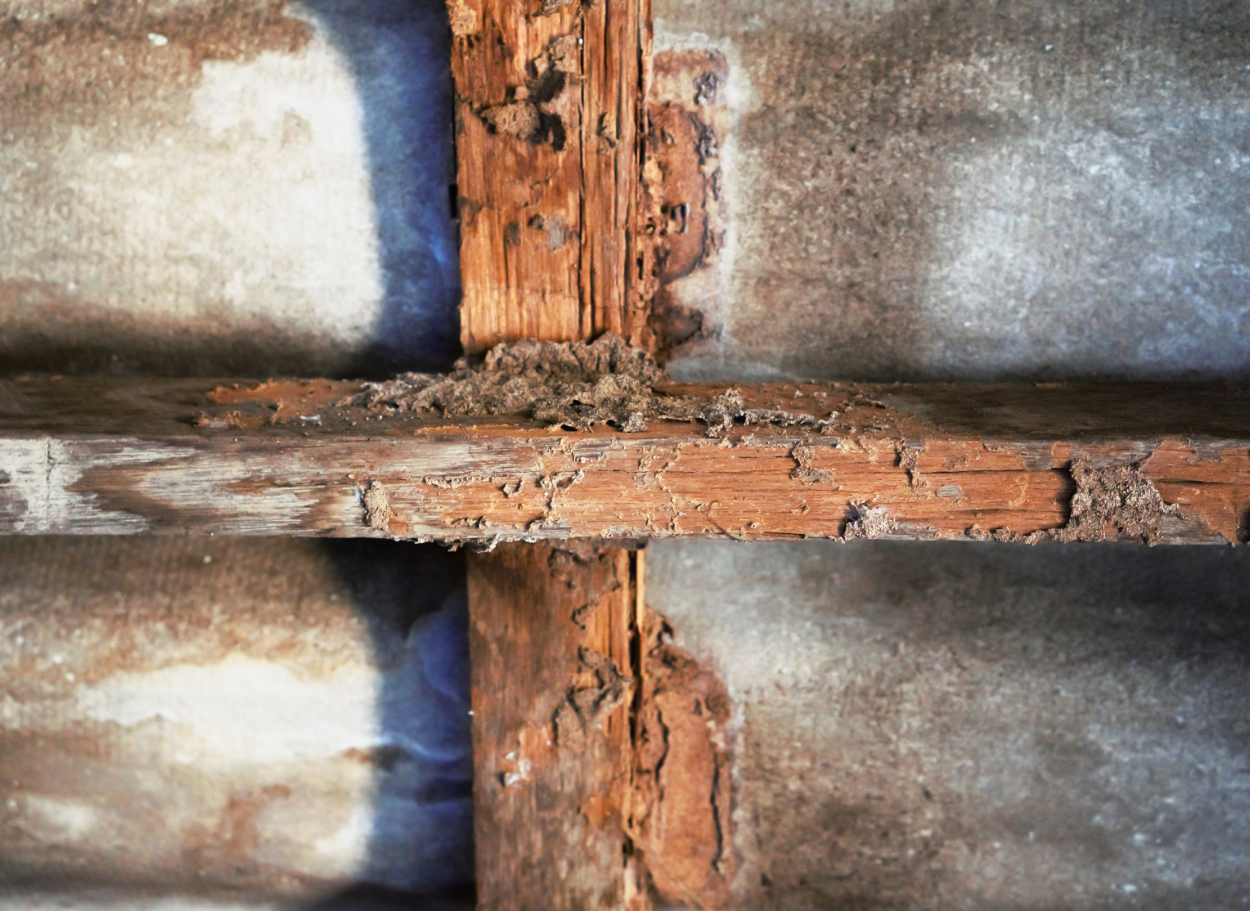
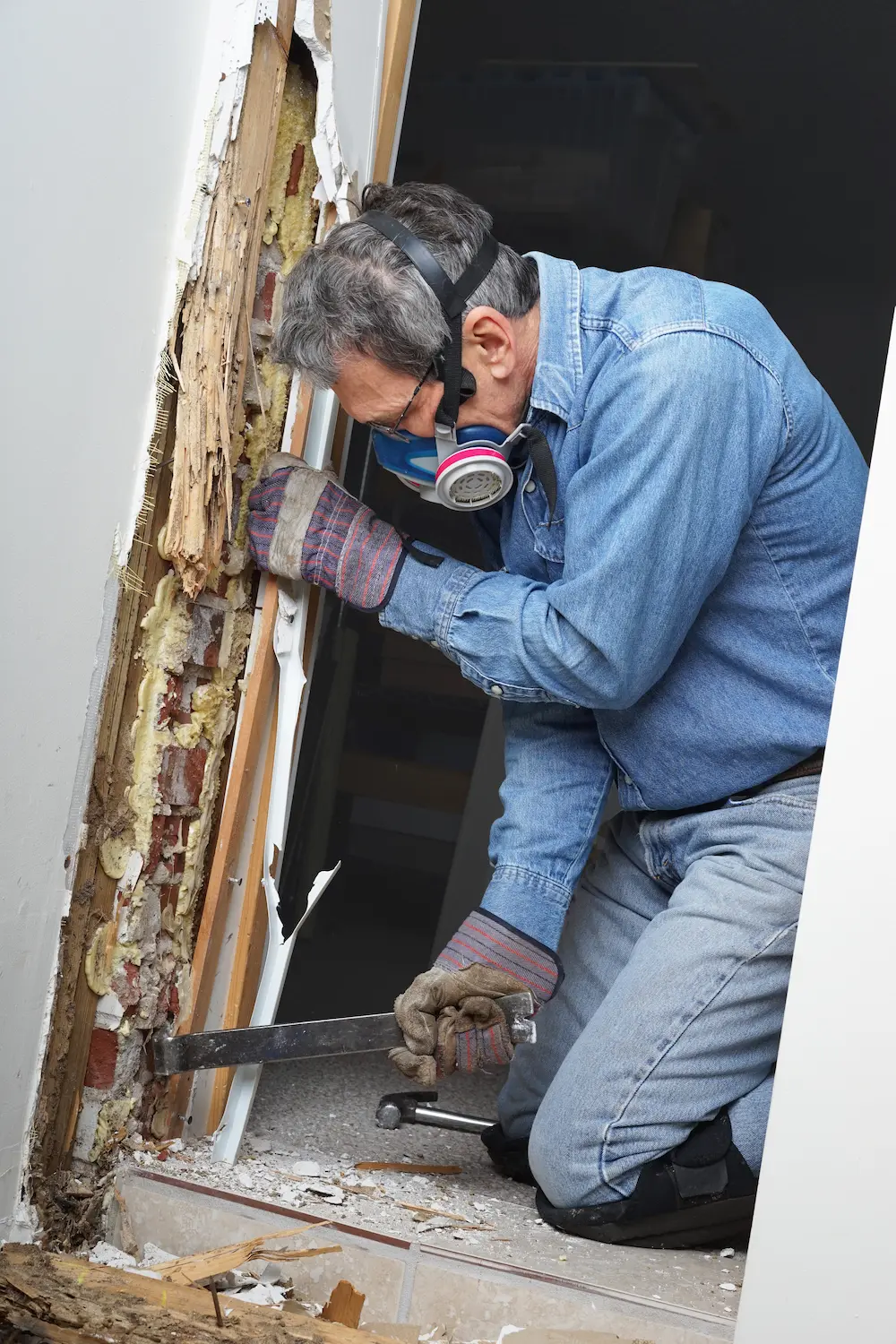
Watch for mud tubes along foundation walls, garage slabs, plumbing penetrations, or masonry joints. Pay attention to bubbling paint, blistered baseboards, or wood that sounds hollow when tapped, especially if the area also has a history of moisture. Swarms of winged insects indoors, or discarded wings near windows and doors, should not be ignored simply because the house is new.
Not every sign points to active termites. Moisture damage, settling cracks, and ant activity can mimic parts of the picture. Still, in a new home, ambiguity is a reason to call for an inspection, not a reason to wait.
How much termite control services cost for a new home
Costs vary by region, home size, foundation type, treatment method, and warranty terms. That is the honest answer. A modest perimeter treatment on a small slab home is a very different job from a large custom home with multiple foundation transitions, porches, foam details, and a monitored bait system.
In broad terms, homeowners often see initial protection costs range from a few hundred dollars to a few thousand, depending on what is included and whether the builder absorbed part of the work. Annual renewal fees can also vary widely. The cheapest plan is not always the best value, especially if it leaves out inspections or meaningful warranty coverage.
One practical way to think about cost is to compare it to the expense of even a localized repair. Replacing damaged trim is one thing. Opening finished walls, repairing framing, repainting, and dealing with scheduling delays is another. Termite control services make the most financial sense when they prevent the first hidden problem, not when they simply react to a mature infestation.
What homeowners can do after move-in
Professional treatment is the core, but homeowner habits influence how well that treatment performs over time. Good prevention is usually quiet and unglamorous. It is mostly about keeping inspection access open and moisture under control.
Here are a few habits that consistently help:
- Keep mulch, soil, and decorative stone from covering the visible foundation line.
- Direct downspouts away from the house and correct any standing water near the slab.
- Avoid stacking firewood, lumber, or cardboard against exterior walls.
- Leave clearance between siding and grade, especially after adding garden beds.
- Schedule the annual termite inspection even if the house looks perfect.
None of these steps replaces professional protection. They support it. Think of them as preserving the visibility and dryness that make a termite system work as intended.
Regional differences change the right answer
A termite plan in Arizona will not look exactly like one in Florida, the Carolinas, Texas, or Tennessee. Species pressure, climate, soil type, and construction practices all influence what makes sense. In some coastal and southern markets, termite pressure is intense enough that skipping ongoing service is a gamble. In drier areas, conditions may be less favorable overall, but irrigation and landscaping can create localized risk around the home.
Even within the same state, a crawlspace house on a wooded lot may call for a different monitoring routine than a slab home in a newer subdivision. This is why national one-size-fits-all advice often falls short. Local experience matters. The best providers know which foundation details in their market fail first, where tubes commonly appear, and how local weather patterns affect activity.
Choosing a provider without getting oversold
The termite industry includes excellent operators and aggressive sales organizations. Telling them apart usually comes down to the quality of the inspection and the clarity of the explanation.
A strong provider will inspect the house, discuss the construction type, ask about builder treatment records, and explain why a certain approach fits your property. They should also be candid about limits. For example, if a finished patio or interior plumbing chase makes full access difficult, they should say so. Honest constraints are more reassuring than flawless promises.
Be cautious if the conversation jumps straight to fear. Termites are serious, but good professionals do not need theatrics. They can point to risk factors, explain treatment options, and let the evidence carry the argument.
It is also worth paying attention to how the company handles service after the sale. Who performs annual inspections? How are reports documented? What response time can you expect if you notice swarmers on a weekend? Practical service details often matter more than glossy brochures.
The first year sets the tone
The first year in a new home is when small decisions accumulate. A flower bed gets raised. A hose bib leaks slowly. A gate gets added and blocks inspection access. Soil is brought in for a patio extension. None of these choices sounds important in isolation. Together, they can reshape the termite risk profile of the property.
That is why the smartest time to think seriously about termite control services is before there is any evidence of trouble. Prevention is easier, cheaper, and more reliable when the system starts early and stays visible.
A new home gives you an advantage. You can document the original treatment, understand the warranty from the beginning, and establish good conditions before bad habits become permanent. If you do that, termite protection becomes a manageable part of homeownership rather than an emergency repair story.
For most buyers, the takeaway is simple. Do not assume the builder handled everything. Verify what was done. Keep the paperwork. Maintain the site conditions that support the treatment. And treat annual inspection as part of the cost of protecting a major investment. That is how new homes stay new longer, even in places where termites never really take a season off.
Maximum Pest Control
836 NE 7th Terrace Suite #5
Cape Coral, FL 33909
+1 239-772-7363
FAQ About Termite Control Services
What are two signs of a termite infestation?
Mud tubes along a foundation and piles of shed wings near doors or windows are two signs to investigate. Mud tubes are associated with subterranean termites. A licensed inspector can identify the insect and assess whether there is active infestation.
How many years does a termite treatment last?
There is no single timeline for all treatments. The method, site conditions, and maintenance affect how long protection lasts. Bait systems rely on monitoring and service. Ask the provider for the recommended inspection schedule and the terms of any coverage.
Is Termite Treatment Expensive in Cape Coral?
Cost depends on the termite species, the size and construction of the property, the extent of activity, and the treatment method. Request a written estimate after inspection and ask whether monitoring, follow-up visits, and renewals are included.